Choose Electronics Recycling for Environmental Care
Eco-Friendly Approaches: How E-Waste Recycling Services Are Preserving Our Planet
E-waste poses significant threats to the environment, as disposed electronics frequently harbor hazardous substances. These hazardous substances can contaminate soil and water, resulting in widespread environmental harm. Electronic waste recycling programs offer an effective remedy. They serve the dual purpose of reclaiming precious materials and reducing contamination. Comprehending the operation of these services and their influence on communities is of great importance. Pursuing efficient e-waste management brings forth pressing questions regarding individual duties and shared responsibility. What actions should be considered going forward?
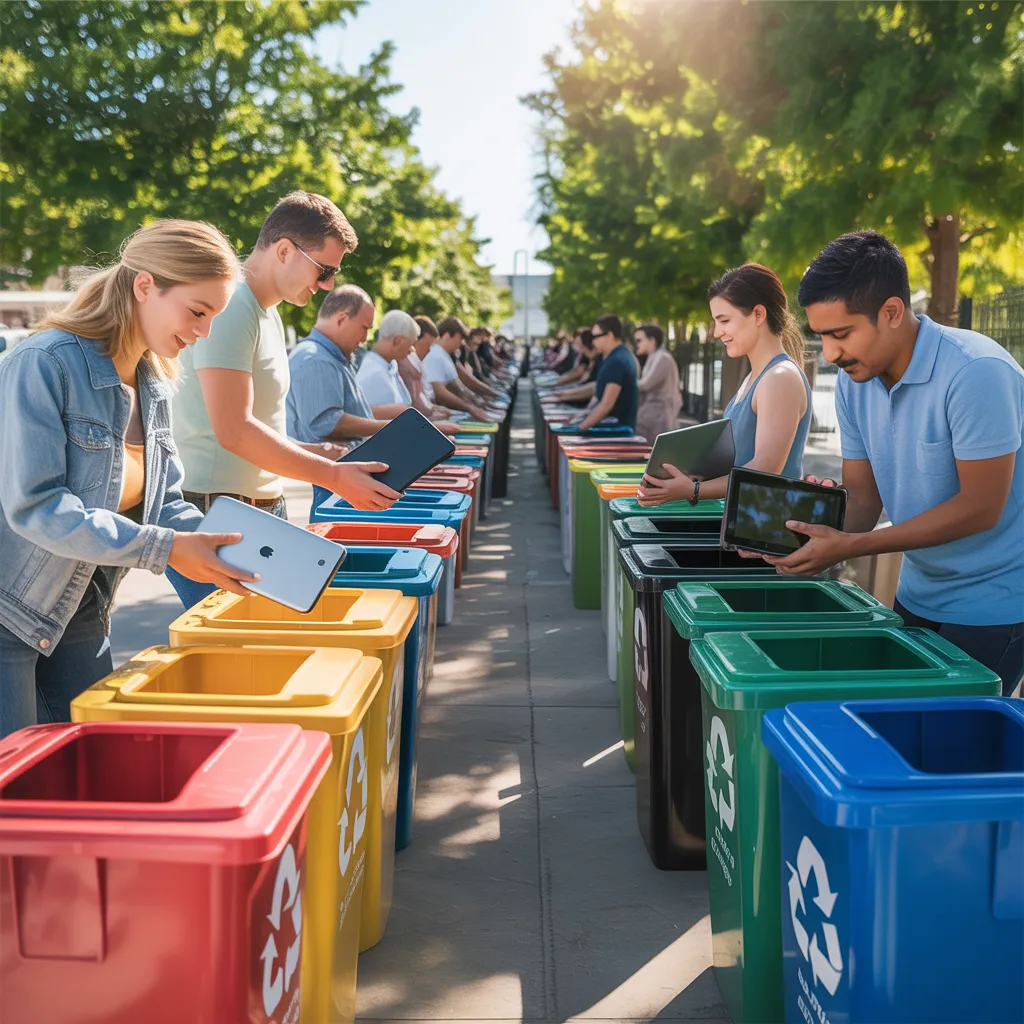
Why E-Waste Poses a Threat to the Planet
Even though technology enriches contemporary living, electronic waste presents serious threats to the environment. Abandoned electronic gadgets, often containing hazardous materials such as mercury, lead, and cadmium, are capable of seeping pollutants into the surrounding soil and water supply, posing risks to human health and ecosystems. The accelerating rate of technological innovation results in higher rates of electronics disposal among consumers, exacerbating the accumulation of discarded electronic materials.
Landfills, already burdened with waste, struggle to accommodate the growing volumes of discarded gadgets. Burning, an alternative disposal approach, discharges toxic contaminants into the air, worsening overall air quality. Furthermore, inadequate recycling methods can result in the shipment of electronic waste to underdeveloped nations, where workers may break down equipment without proper protective measures, putting themselves at risk of exposure to hazardous materials. This pattern of negligence and mismanagement highlights the critical demand for eco-friendly recycling alternatives that can reduce the damaging impact of electronic waste on the environment.
What Is E-Waste and Why Does It Matter?
E-waste, or electronic waste, includes unwanted electronic equipment including televisions, computers, and smartphones that are no longer functional or needed. This growing category of waste is significant owing to its accelerating volume, driven by technological advancements and consumer trends. As growing numbers of electronics become outdated, the environmental impact intensifies, with harmful substances like lead, mercury, and cadmium posing risks to ecosystems and human health.
The importance of addressing e-waste lies not only in mitigating these hazards but also in recognizing the valuable materials it contains. Valuable metals and rare earth materials can be extracted and repurposed, lessening the demand for mining and preserving natural resources. Through a deeper awareness of e-waste and its consequences, both individuals and organizations can make well-informed choices regarding disposal and recycling, thereby supporting a more sustainable future. Responsible management of e-waste plays a key role in supporting a circular economy and championing environmental stewardship.
How the E-Waste Recycling Process Works
The recycling of e-waste encompasses a systematic process intended to extract beneficial components while reducing harm to the environment. At the outset, e-waste is collected and transported to purpose-built recycling plants. Upon arrival, the electronics are carefully categorized to isolate dangerous parts from recoverable materials.
Subsequently, workers dismantle the electronics, recovering metals, plastics, and glass. This process is vital, as it allows for the retrieval of rare metals like gold, silver, and copper, which can be recycled in new electronic devices.
Following this, the isolated materials are refined with sophisticated techniques, such as shredding and specialized chemical treatments, to prepare them for repurposing.
In the final step, the residual dangerous materials are managed properly, complying with environmental regulations. This comprehensive process not only conserves resources but also reduces the dangers connected to irresponsible electronic waste disposal, ensuring a more sustainable future for electronic device usage.
How E-Waste Recycling Benefits You and Your Community
Although it often goes unnoticed, the benefits of e-waste recycling go far beyond individual benefit and actively shape entire communities. By responsibly disposing of electronic waste, individuals help foster a cleaner environment, minimizing hazardous materials that can contaminate soil and water. This responsible method works to protect local ecosystems and supports public health.
Moreover, e-waste recycling fosters workforce growth within communities. Regional recycling centers frequently need staff for diverse activities, covering everything from collection to processing, thus generating valuable job opportunities for community members. This not only strengthens the regional economy but also promotes community participation in sustainable initiatives.
In addition, knowledge about e-waste recycling is capable of inspiring educational initiatives, equipping residents to embrace sustainable practices. By participating in e-waste recycling programs, individuals promote a culture of sustainability, prompting others to do the same. In summary, the combined impact of these actions can result in a more resilient and environmentally responsible community.
How to Select an E-Waste Recycling Service
Picking the right electronic waste recycling provider is vital for making sure that electronic refuse is managed responsibly and sustainably. Initially, individuals should check the company's certifications, such as R2 or e-Stewards, which signify conformance to professional guidelines for responsible recycling methods. It's also important to examine the organization's standing by checking reviews and seeking advice from dependable sources.
Moreover, openness in the recycling process is crucial. A dependable company should offer detailed insights about the way e-waste is handled and how the materials are utilized. Additionally, considering the scope of services provided can prove valuable; various firms may supply retrieval services or extend benefits for recycling.
Furthermore, familiarizing yourself with regional rules concerning e-waste disposal can help inform the evaluation process. By prioritizing these factors, consumers can play a role in efficient electronic waste handling while supporting sustainable environmental efforts.
How You Can Get Involved in E-Waste Recycling?
Engaging in e-waste recycling often starts at the local level, where community recycling hubs regularly supply essential services for responsible disposal. Furthermore, participating in community awareness campaigns can enhance efforts to raise awareness about the importance of ethical e-waste practices. These initiatives not only encourage sustainable practices but also build a collective sense of stewardship of the environment.
Community Recycling Locations
Many regional recycling hubs fulfill a critical purpose in e-waste recycling, providing communities with accessible options to handle electronic waste in a responsible manner. These hubs welcome a variety of electronic equipment, including used computers, handheld devices, and televisions, ensuring that harmful materials are handled safely. Most centers are equipped with knowledgeable personnel who help individuals navigate appropriate disposal procedures, underscoring the benefits of recycling compared to landfilling. Moreover, various hubs coordinate organized drop-off opportunities or appointed collection periods, enabling residents to engage without difficulty. By taking advantage of these neighborhood resources, individuals contribute to a circular economy, decreasing environmental damage and advancing sustainable approaches. Connecting with these stations encourages communities to fight e-waste pollution decisively.
Community Awareness Campaigns
Community groups, educational institutions, and companies can partner to arrange initiatives that encourage e-waste collection drives. Volunteers can play a pivotal role in spreading awareness, distributing educational materials, and engaging with the community. By means of these joint initiatives, local inhabitants gain greater awareness and encouragement to properly recycle their e-waste, thereby helping to build a greener and more sustainable tomorrow.
Common Questions and Answers
Which Types of Electronics Are Recyclable?
Various electronics may be recycled, including computers, smartphones, televisions, laptops, gaming consoles, and printers. In addition, peripherals such as batteries, keyboards, and mice are well-suited for recycling, supporting environmental conservation efforts.
Do Any Costs Come With E-Waste Recycling?
Indeed, e-waste recycling can include costs, based on the service provider. Some service centers charge fees for gathering or treatment, while other facilities provide no-cost solutions, typically funded by the proceeds from salvaged materials.
What Are the Benefits of E-Waste Recycling for Businesses?
Businesses can benefit from e-waste recycling by reducing disposal costs, strengthening their ecological standing, complying with regulations, reclaiming useful materials, and potentially generating revenue through resale, thereby fostering a more environmentally responsible business approach.
What Becomes of Data on Recycled Devices?
Information regarding repurposed equipment is frequently permanently erased or eliminated Read the guide during processing. This confirms sensitive information stays protected, blocking unwanted intrusion while allowing components to be reused carefully and ethically in new products.
Can I Recycle Broken Electronics?
Indeed, defective electronics are able to be recycled. Many recycling centers process damaged devices, guaranteeing safe disposal and recovery of recoverable materials. Doing so helps minimize the environmental footprint while fostering sustainable recycling habits to manage electrical waste effectively.